



What Is En Primeur?
What Is En Primeur?
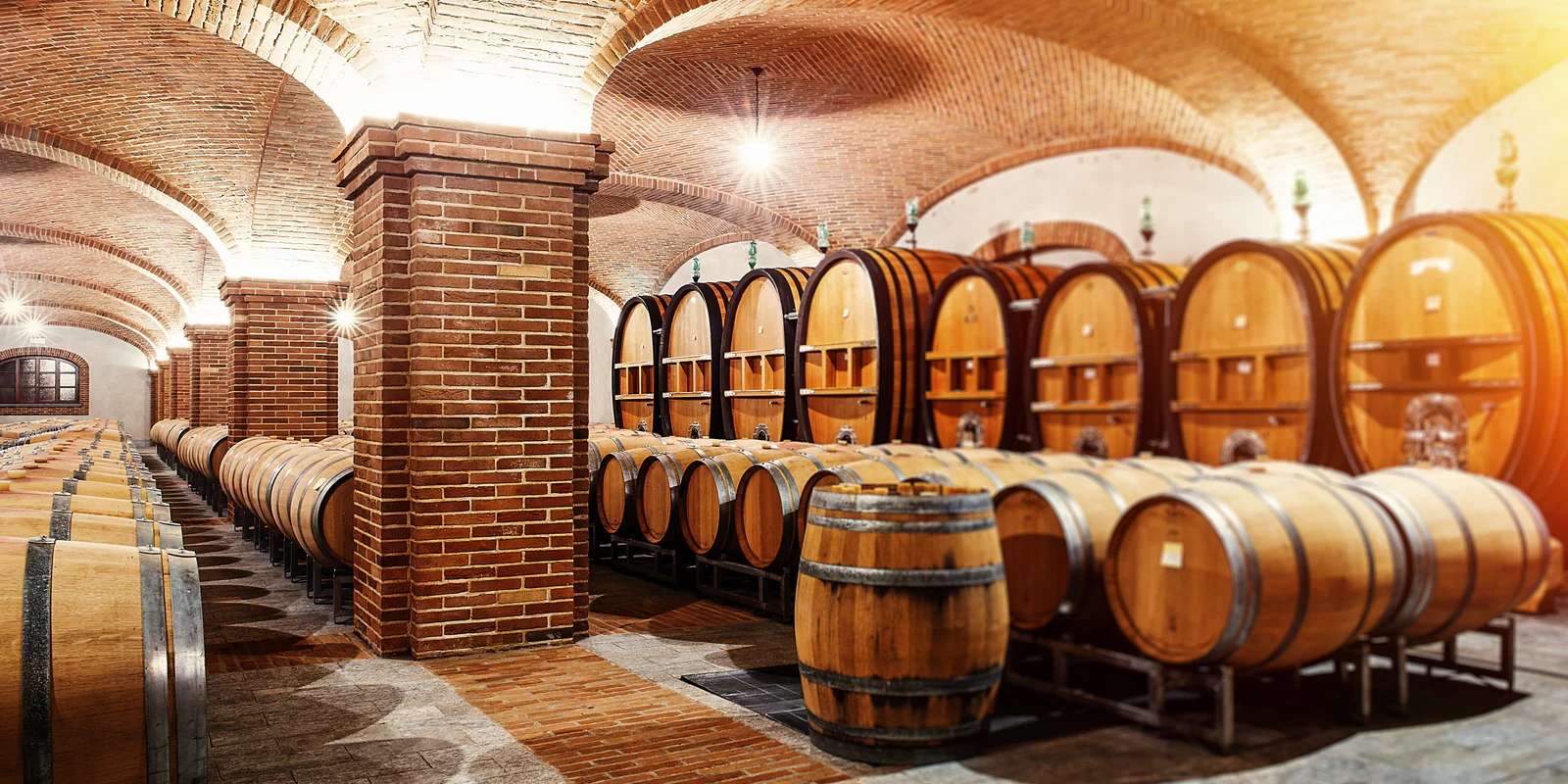
En primeur refers to the practice of buying wine before it has been bottled, while it is still ageing in barrel. Buyers commit capital today for wine that will only be delivered 12 to 24 months later, based on early tastings, critic assessments, and the reputation of the producer and vintage.
The system is most closely associated with Bordeaux, where it has operated at scale for decades, though variations exist in Burgundy, the Rhône and parts of Italy. While en primeur is often discussed as an investment opportunity, at its core it is simply a forward market for wine, a mechanism that allows wine to be priced and sold before it physically exists.
Whether that forward price represents value is the more important question.
Why En Primeur Developed
En primeur did not begin as an investment strategy. It emerged as a practical solution to a structural problem, cash flow.
Selling wine early allowed châteaux to finance operations, manage working capital, and reduce balance sheet risk. Merchants assumed the price risk and inventory burden, while buyers gained earlier access to sought after wines, occasionally at a discount for committing capital in advance.
As the market evolved, several shifts changed the character of the system. The introduction of standardised critic scoring created globally legible price signals. Demand became increasingly international, particularly from the US and Asia. Prices began to move well before wines were bottled, shipped, or consumed.
At that point, en primeur stopped being purely about financing production and became a mechanism for setting expectations.
How En Primeur Works in Practice
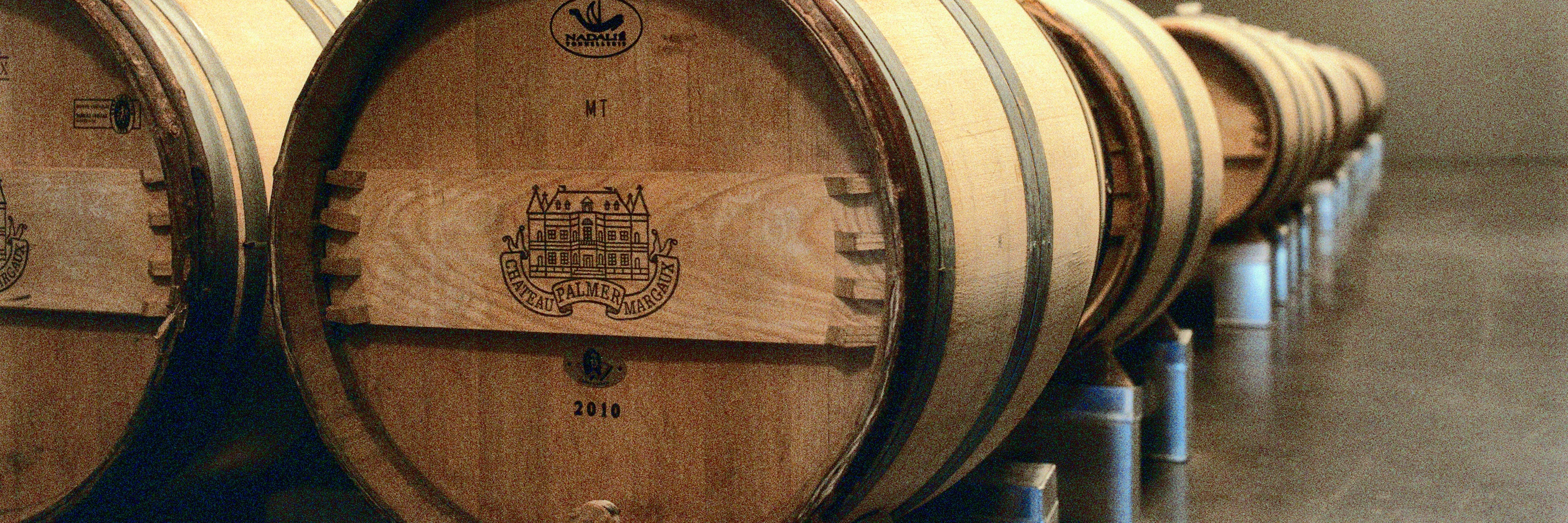
After harvest, wines enter barrel and remain there for up to two years. The following spring, critics and merchants taste unfinished samples during the annual en primeur tastings. Based on these assessments, châteaux release wines at a set price, typically in tranches, with volumes allocated to merchants.
Buyers who participate commit capital at this stage. Delivery takes place once the wine has been bottled and released, usually 12 to 24 months later.
During this period, buyers do not hold a liquid asset. They hold a claim on future delivery. That distinction is important, particularly from an investment perspective.
The Investment Case for En Primeur
When en primeur has worked well historically, it has done so for structural rather than speculative reasons.
The strongest performers tend to be wines with sufficient production to trade regularly, deep and established secondary markets, and release pricing that leaves room for appreciation once the wine becomes physical. In these cases, en primeur can provide access to wine at prices below long term fair value, particularly in undervalued vintages or periods of rising demand.
However, these conditions are not consistent. They depend heavily on pricing discipline at release and broader market sentiment.
Where En Primeur Often Falls Short
A common assumption is that buying early means buying cheaply. In practice, this is frequently untrue.
In recent years, many châteaux have priced wines to reflect anticipated future appreciation, rather than current market conditions. This shifts a significant portion of the upside from buyers to sellers and leaves little margin for error.
As a result, it has become increasingly common for wines to trade on the secondary market at or below their en primeur release price once they are physically available. This is not necessarily a failure of the wine itself, but a function of forward pricing in a market where sellers retain considerable influence.
Capital Lock Up and Opportunity Cost
Beyond price risk, en primeur carries meaningful capital considerations. Funds are committed for an extended period, with no yield and limited liquidity. Exit options prior to physical release are constrained, and pricing during this phase is highly sensitive to shifts in sentiment, macro conditions, and revised quality assessments.
These factors are often underemphasised in en primeur marketing, but they play a significant role in determining whether participation makes sense from a portfolio perspective.
En Primeur Versus the Physical Market
The key difference between en primeur and buying physical wine is timing.
En primeur requires investors to assume risk before information is complete. The physical market, by contrast, prices wine after quality has been realised, supply is known, and trading patterns are established.
Neither approach is inherently superior. They simply involve different risk profiles. The mistake is treating them as interchangeable.
How WineFi Approaches En Primeur
At WineFi, we do not treat en primeur as the default entry point for fine wine investment. We view it as situational.
Participation only makes sense when release prices sit clearly below observable fair value, liquidity pathways are well established, and the opportunity cost of capital is justified. In many cases, the secondary market offers more attractive risk adjusted entry points with greater flexibility and fewer assumptions.
En primeur is not where returns are automatically generated. It is where pricing errors occasionally occur.
Closing Thoughts
En primeur remains an important part of the fine wine market. It is not obsolete, nor is it inherently advantageous.
Used selectively and with discipline, it can play a role. Used reflexively, it often disappoints. Understanding en primeur, therefore, is less about learning how to buy early and more about knowing when waiting is the better decision.
That distinction is where long term outcomes are shaped.




Capital is at risk. Wine values can go down as well as up, and investments may not perform as expected. Returns may vary. You should not invest more than you can afford to lose. WineFi is not authorised by the Financial Conduct Authority. Investments are not regulated and you will have no access to the Financial Services Compensation Scheme (FSCS) or the Financial Ombudsman Service (FOS). Past performance and forecasts are not reliable indicators of future results and should not be relied on. Forecasts are based on WineFi’s own internal calculations and opinions and may change. Investments are illiquid. Once invested, you are committed for the full term. Tax treatment depends on individual circumstances and may change.
You are advised to obtain appropriate tax or investment advice where necessary.
WineFi is a trading name of WineFi Management Limited. Registered in England and Wales with registration number: 14864655 and whose registered office is at 5th Floor, 167-169 Great Portland Street, London, United Kingdom, W1W 5PF.